
Using Waves to Track Objects in Orbit
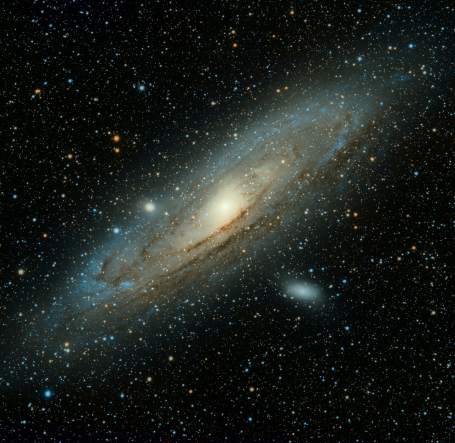
Students will communicate how reflecting telescopes use waves to track objects.
Read MoreG-Forces in Fighter Planes
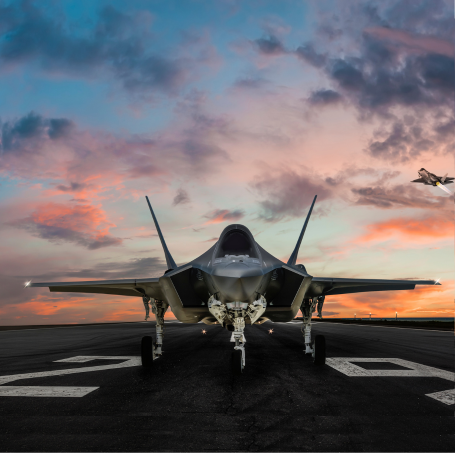
Students use F=MA to calculate the acceleration for various planes and maneuvers.
Read MoreChemical Reactions and the Sun’s Lifespan
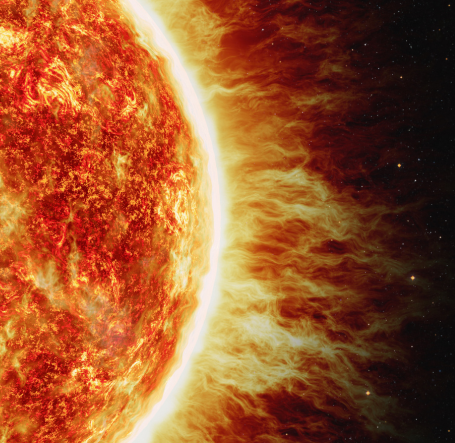
Construct explanations and develop models to understand the aurora borealis and the sun’s radiation impact on Earth’s atmosphere.
Read MoreGrand Challenges Engineering Solutions
Utilize the decomposition strategy to break down large problems into smaller problems.
Read MoreExploring Satellite Motion and Technology
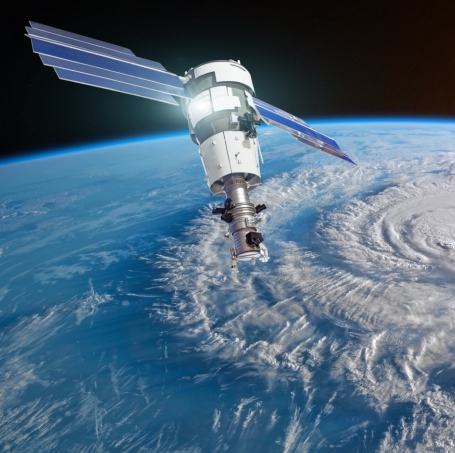
Use mathematical and computational representations to predict orbiting object motions. Students will identify the type of satellites, locations, and positions using maps and explore satellite technology’s diverse application
Read MoreExploring GPS
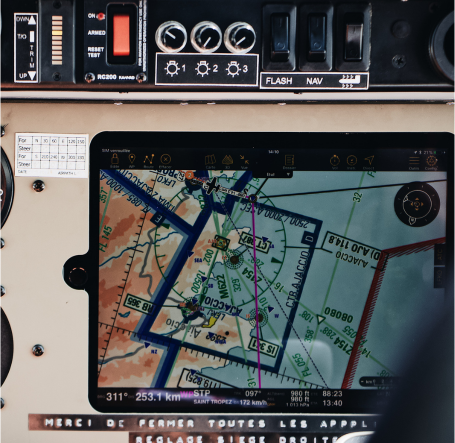
Use GPS to measure, learn how it triangulates position, and is applied to solve problems.
Read MoreScaling Objects in Outer Space
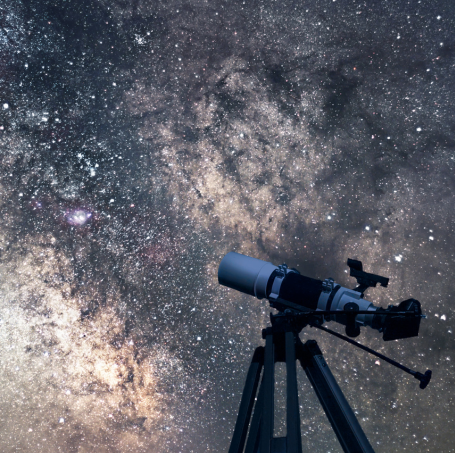
Examine optical wonders through studying lenses and focal points
Read MoreDeriving Newton’s Law of Gravitation

Compare the law of gravitation with a computer modeled relationship between two masses and the distance between them.
Read MoreUsing Computational Models in Science

Using computational thinking patterns, students propose a model for phenomenon.
Read MoreEngineering in Space: Safe Collisions
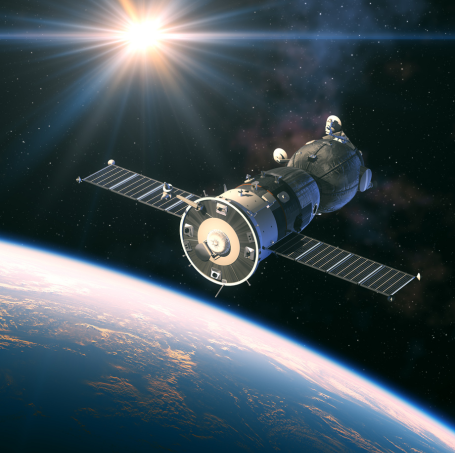
After analyzing asteroid impacts, students engineer and iterate an egg drop device.
Read MoreToxins in an Ecosystem

Study toxin cycles through an ecosystem to create a model for bioaccumulation in food chains.
Read MoreExploring Encryption and Design Solutions

Students will learn the fundamentals of encryption, model encryption and decryption, and discuss solutions to enhance security.
Read More